
E-commerce is no longer optional. If a business wants reach, scalability, and control, it needs an online storefront that works reliably at scale. This is precisely the problem Shopify was built to solve.
Shopify is a cloud-based e-commerce platform that allows individuals, startups, and enterprises to create, manage, and scale online stores without needing deep technical expertise. Instead of building a store from scratch—hosting servers, managing security, maintaining payment systems—Shopify centralizes everything into one ecosystem.
Launched in 2006, Shopify has grown from a simple online store builder into a full commerce operating system. Today, it powers millions of merchants globally, from solo creators to billion-dollar brands. Its core promise is straightforward: remove technical friction so businesses can focus on selling.
This blog breaks Shopify down systematically—what it offers, how it compares to competitors, and why it continues to dominate the e-commerce landscape.
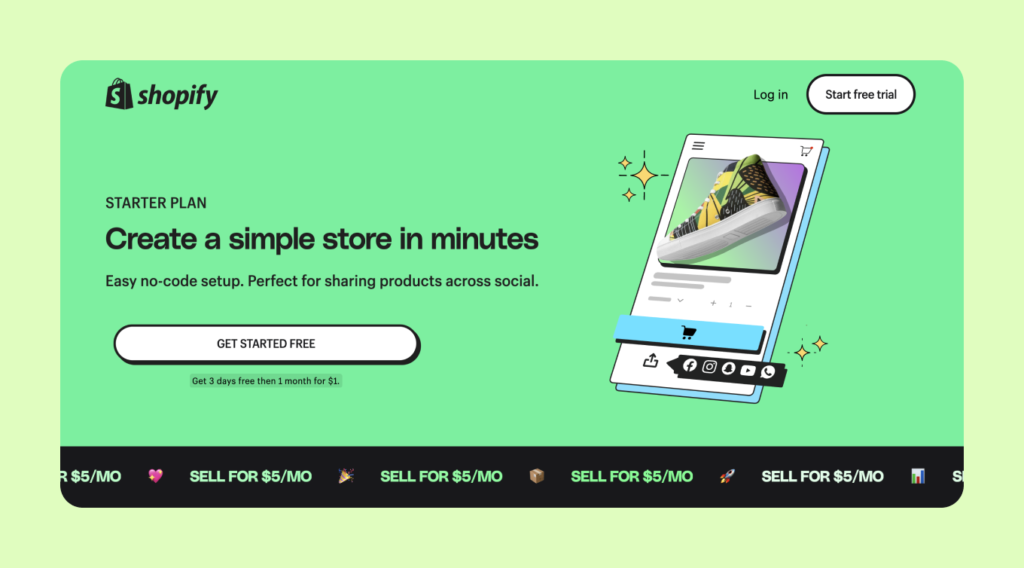
Shopify Features: What You Actually Get
Shopify’s strength lies in how much functionality it provides out of the box. It is not just a website builder; it is an end-to-end commerce platform.
1. Store Setup and Design
Shopify provides professionally designed, mobile-responsive themes that work immediately. Merchants can customize layouts, typography, and branding without touching code. For advanced users, Shopify allows full customization using Liquid (its templating language), HTML, CSS, and JavaScript.
This dual approach—simple for beginners, powerful for developers—is one of Shopify’s biggest advantages.
2. Product and Inventory Management
Shopify allows unlimited products, variants (size, color, material), and categories. Inventory syncs automatically across sales channels, including online stores, physical locations, and third-party marketplaces.
Low-stock alerts, bulk imports, and automated inventory tracking reduce operational errors—critical for scaling businesses.

3. Payments and Checkout
Shopify integrates with 100+ payment gateways worldwide and offers its own solution, Shopify Payments, eliminating the need for third-party processors in many regions.
The checkout process is fast, optimized, and battle-tested. Shopify’s checkout consistently converts better than most custom solutions because it is refined using data from millions of transactions.
4. Apps and Integrations
The Shopify App Store contains thousands of apps for marketing, fulfillment, analytics, subscriptions, upselling, and automation. Most businesses never need custom development because existing apps already solve common problems.
If custom logic is required, Shopify’s APIs are robust and well-documented.

5. Security and Hosting
Shopify handles hosting, SSL certificates, security updates, and compliance. Merchants do not need to worry about downtime, hacking, or server optimization. This is not optional infrastructure—it is included by default.
For businesses that value reliability, this matters more than flexibility.
Shopify vs Competitors: How It Stacks Up
To understand Shopify’s dominance, it must be compared against its closest competitors.
Shopify vs WooCommerce
WooCommerce is an open-source plugin built on WordPress.
WooCommerce offers high flexibility and full ownership, but that comes with trade-offs. Merchants must manage hosting, security, updates, and performance themselves. Scaling WooCommerce requires technical expertise or ongoing developer costs.
Shopify, by contrast, is managed. You trade some flexibility for stability, speed, and lower long-term operational risk. For most businesses, that trade-off is worth it.
Shopify vs BigCommerce
BigCommerce competes directly with Shopify in the SaaS e-commerce space.
BigCommerce offers strong native features and fewer app dependencies. However, its ecosystem is smaller, its themes are less polished, and its developer community is not as active.
Shopify wins on ecosystem depth, brand adoption, and long-term innovation.
Shopify vs Magento
Magento (now Adobe Commerce) is an enterprise-grade platform.
Magento is powerful but complex. It requires developers, infrastructure planning, and ongoing maintenance. It is suitable for large enterprises with technical teams—not for startups or mid-market brands.
Shopify Plus, Shopify’s enterprise offering, delivers similar scalability without the operational overhead. That is why many enterprises are migrating from Magento to Shopify Plus.
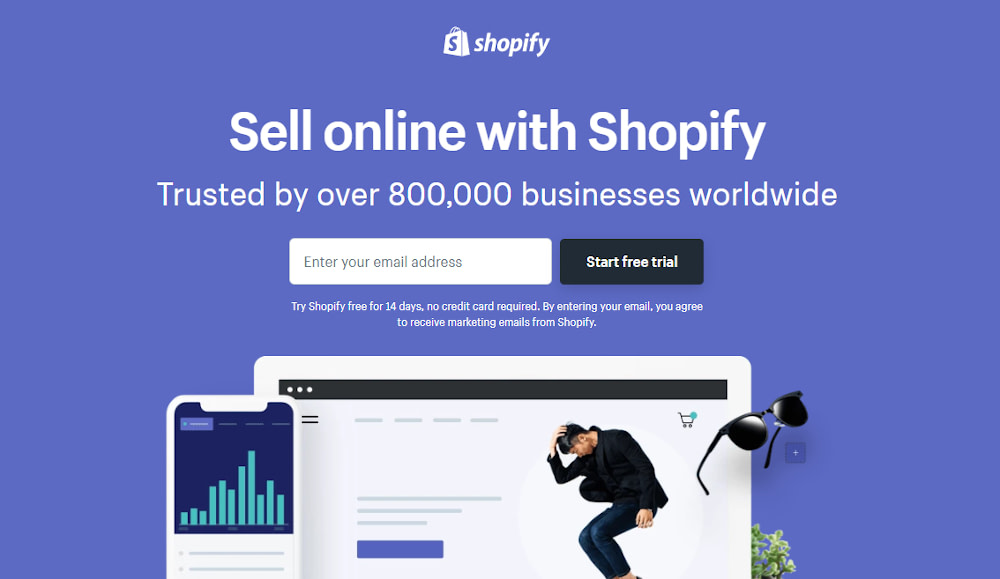
Why Choose Shopify: The Strategic Case
Choosing Shopify is not about features alone—it is about business strategy.
1. Speed to Market
Shopify allows businesses to launch in days, not months. Speed matters. Every week spent building infrastructure is a week not spent selling, testing, or acquiring customers.
2. Predictable Costs
Shopify’s pricing is transparent. You know what you are paying monthly, and you avoid surprise server costs, security expenses, or emergency developer fixes.
This predictability is critical for financial planning.
3. Scalability Without Rebuilding
Many platforms work at small scale and break at large scale. Shopify does not. Brands can start small and grow to millions in revenue without migrating platforms.
Replatforming is expensive and risky. Shopify minimizes that risk.
4. Ecosystem and Talent Availability
Because Shopify is widely adopted, developers, agencies, and tools are easy to find. Hiring Shopify talent is significantly easier than hiring specialists for niche platforms.
This reduces dependency risk.
5. Continuous Improvement
Shopify reinvests heavily in product development. New features—checkout optimization, AI tools, omnichannel selling—are rolled out continuously without merchants lifting a finger.
With self-hosted platforms, upgrades are your problem. With Shopify, they are automatic.

Final Thoughts: Is Shopify the Right Choice?
Shopify is not perfect. It imposes structure, charges transaction fees in some cases, and limits deep backend customization. If you want absolute control over every line of code, Shopify may frustrate you.
However, most businesses do not need absolute control. They need reliability, speed, scalability, and results.
Shopify succeeds because it focuses on outcomes, not technical purity. It enables entrepreneurs to sell, marketers to optimize, and enterprises to scale—without turning commerce into an engineering project.
For startups, growing brands, and even large enterprises that value execution over experimentation, Shopify is not just a platform—it is a competitive advantage.