
Introduction
When it comes to home-security systems, Ring is one of the most visible and rapidly evolving brands. Known initially for its video doorbells, Ring has expanded into cameras, full alarm systems, accessories, and monitoring services. Whether you’re a homeowner or a renter looking for smart-home protection, Ring offers a compelling mix of hardware, cloud services, and smart integration.
This post will unpack Ring’s current offers, what it does well, where it falls short, how it stacks up against competitors, and ultimately whether it makes sense for you in 2025.
Ring: Current Offers & Key Promotions
Based on Ring’s website (as of November 2025) and what they highlight:
Ring offers free shipping and free returns on all US orders. Ring
Ring promotes a free 30-day trial of their Ring Plan (subscription) with device purchase. Ring
They also mention “10% off select products when you subscribe to certain plans”. Ring
Their “Featured Products” section shows bundled offers: e.g., outdoor cam + battery doorbell at a reduced price ($179.99 vs $199.98) for a deal. Ring
Ring’s subscription service (“Ring Home Plan”) includes features like up to 180 days of video event history, AI smart video search (beta), person/vehicle/package alerts on certain devices. Ring
So the key point: Ring is aggressively bundling devices + subscription, offering trials, and emphasizing their cloud services.
What Ring Offers: Features & Ecosystem
Hardware
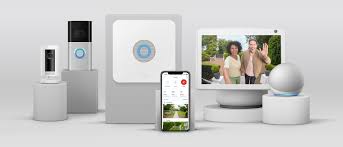
Ring’s hardware ecosystem includes:
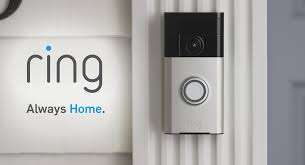
Video doorbells (battery, wired, 4K models)
Indoor and outdoor security cameras (battery-powered, wired)
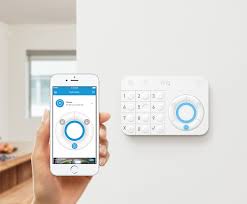
Alarm kits (entry sensors, motion sensors, base station)
Smart home accessories (chimes, smart lighting, pet tags)
All work via the Ring app and integrate into their cloud/monitoring services.
Smart & Cloud Services
Ring emphasises cloud-based video storage and smart detection:
Up to 180 days of video event history for subscribed users. Ring
Smart Video Search (Beta) — lets you search your video footage for things like people, vehicles or packages. Ring
Person/Vehicle/Package Alerts on eligible cameras. Ring
Option for professional alarm monitoring when you have an alarm system + Ring Plan. Ring
Monitoring & Plans
Ring offers a layered model: you can buy hardware and self-monitor (via mobile alerts), or you can subscribe to their Ring Plan(s) which unlock the full cloud features plus professional monitoring for alarms.
Monitoring features are dependent on having the compatible devices + subscription and (in the U.S.) licensing. Ring
Integration & Smart Home
Given that Ring is owned by Amazon, it has strong integration with Amazon Alexa voice controls and smart home routines. This makes Ring attractive if you already use Alexa or other Amazon smart-home gear.
Ring vs Other Home Security Brands
To decide if Ring is right for you, it helps to compare how it performs vs other choices (for example, full alarm-systems vs camera-first brands).
Ring vs Dedicated Alarm Systems (e.g., ADT, SimpliSafe)
Ring is strong in camera + smart home integration; full alarm kits are available but that’s less the core long-term heritage.
Alarm system specialists tend to emphasise contract-free monitoring, full sensor suites, etc.
If your priority is robust alarm protection (entry sensors, motion sensors, base station, no compromises) some alarm-first brands may offer simpler monitoring pricing or sensor-focus.
Ring wins if your priority includes video doorbells, cameras, smart-home integration and you’re comfortable with cloud subscription.
Ring vs Budget Camera-First Brands (e.g., Wyze)
Wyze offers very low-cost cameras and basic monitoring/cloud services — great for budget.
Ring offers higher-spec hardware, broader smart features (AI alerts, long history), and stronger ecosystem, but at higher cost.
So if budget is ultra-tight and you only want cameras, a brand like Wyze may be more economical; Ring adds premium features.
Ring vs Smart Home Camera/CCTV Specialists (e.g., Arlo)
Arlo tends to focus on high-end cameras (4K, advanced detection) and cloud video services; Ring has similar drives (they now highlight “Retinal 4K” etc) but also integrates doorbells, alarms, bundled offers and Amazon ecosystem advantages.
If your focus is solely high-end camera quality, Arlo may pull ahead; for a more holistic home-smart security ecosystem, Ring is strong.
Pros & Cons of Ring
Pros
Excellent smart-home integration (especially if you use Amazon/Alexa).
Strong hardware selection (doorbells + cameras) with good build quality.
Generous cloud-history offer (up to 180 days) for subscribed users.
Regular promotions, bundling, trial offers, free shipping/returns.
Scalable system — you can start with one device and build out.
Cons
To unlock full features (AI alerts, 180-day history), you need to subscribe — ongoing costs.
While Ring does offer alarm kits, if you want a pure alarm system with contract-free monitoring and maximum sensor coverage, some competitors may offer simpler/more affordable options.
Video and cloud quality depend on your WiFi/data — typical of smart-home systems.
Professional monitoring may have region/licensing limitations (as noted in their terms for US states and Canada).
Is Ring Right for You?
You’re likely a good fit for Ring if:
You already use Amazon/Alexa smart-home gear and want seamless integration.
You want a video doorbell and/or full set of cameras plus ability to expand into alarms.
You’re comfortable paying a cloud subscription and view your system as a long-term investment.
You want “smart” features like AI alerts (people/vehicles/packages) and long video history.
It might be less ideal if:
You’re very budget conscious and want basic monitoring without subscription fees.
Your priority is a dedicated alarm system with lots of sensors and minimal cloud features — you might lean toward a competitor.
You live somewhere with poor WiFi/data and rely heavily on traditional wired alarms.
How to Get Started with Ring
Here’s a quick guide for how to begin if you choose Ring:
Choose your first device-entry point (e.g., video doorbell or indoor/outdoor camera).
Sign up for the Ring Plan trial (often 30 days) to evaluate smart features and cloud history.
Install the device (most Ring devices are DIY friendly).
Explore the app: enable motion alerts, package/person alerts, live view.
Decide if you want to expand into an alarm system (sensors, base station) and subscribe to professional monitoring.
Regularly review your subscription plan: if you only use basic features, you might downgrade; but if you use the advanced ones (AI alerts, 180-day history) keep the premium plan.
7. Final Thoughts
In 2025, Ring remains a top contender in the home-security arena — especially for those looking for a smart, camera-first, expandable system with strong integrations and modern features. While it may not be perfect for every scenario (e.g., ultra-budget alarm-only setups or no-subscription users), its blend of hardware, ecosystem, and services makes it a very compelling choice.