
Importance of Kalawa (Mouli) in Hinduism | Significance, Benefits & Rituals
Discover the spiritual importance of Kalawa (Mouli) in Hindu tradition. Learn its meaning, benefits, rituals, and why it is tied on the wrist during puja for protection and positivity.
🌿 What is Kalawa (Mouli)?
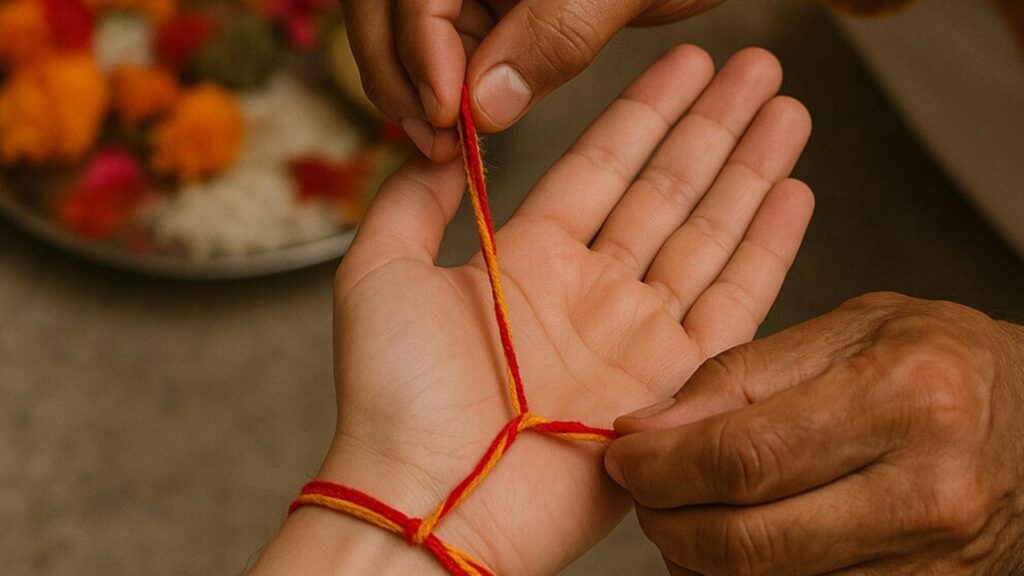
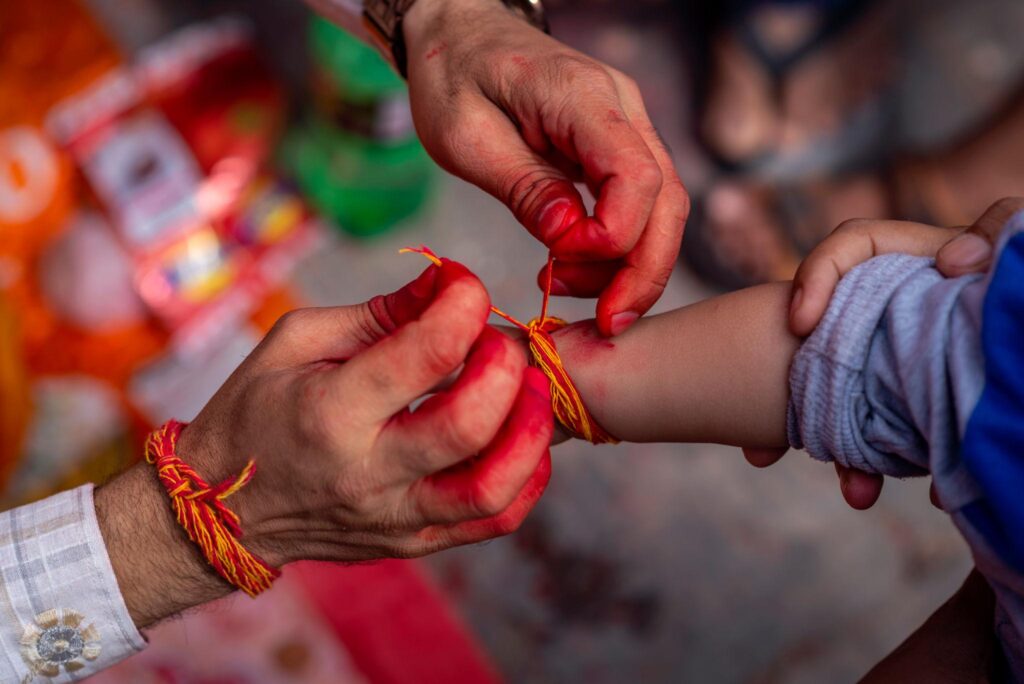
Kalawa, also known as Mouli, is a sacred red or red-yellow cotton thread tied around the wrist during Hindu rituals and ceremonies. It is considered highly auspicious and is usually blessed by a priest before being tied.
This thread is not just symbolic—it carries deep spiritual and cultural significance rooted in ancient Vedic traditions.
🔱 Spiritual Significance of Kalawa
Kalawa is believed to invoke the blessings of major Hindu deities like Brahma, Vishnu, and Mahesh (Shiva).
- The three strands represent the divine trinity (Trimurti)
- It acts as a protective shield against negative energies
- Symbolizes commitment to dharma (righteousness)
Wearing Kalawa reminds a person to stay aligned with spiritual values and positive actions.
🧘♂️ Scientific & Psychological Benefits
Beyond spirituality, Kalawa also has subtle scientific and psychological benefits:
- It is tied on specific wrist points, similar to acupressure zones
- Helps maintain blood circulation balance
- Acts as a constant reminder of faith and mindfulness
- The color red is associated with energy, strength, and protection
🪔 When and Why is Kalawa Tied?
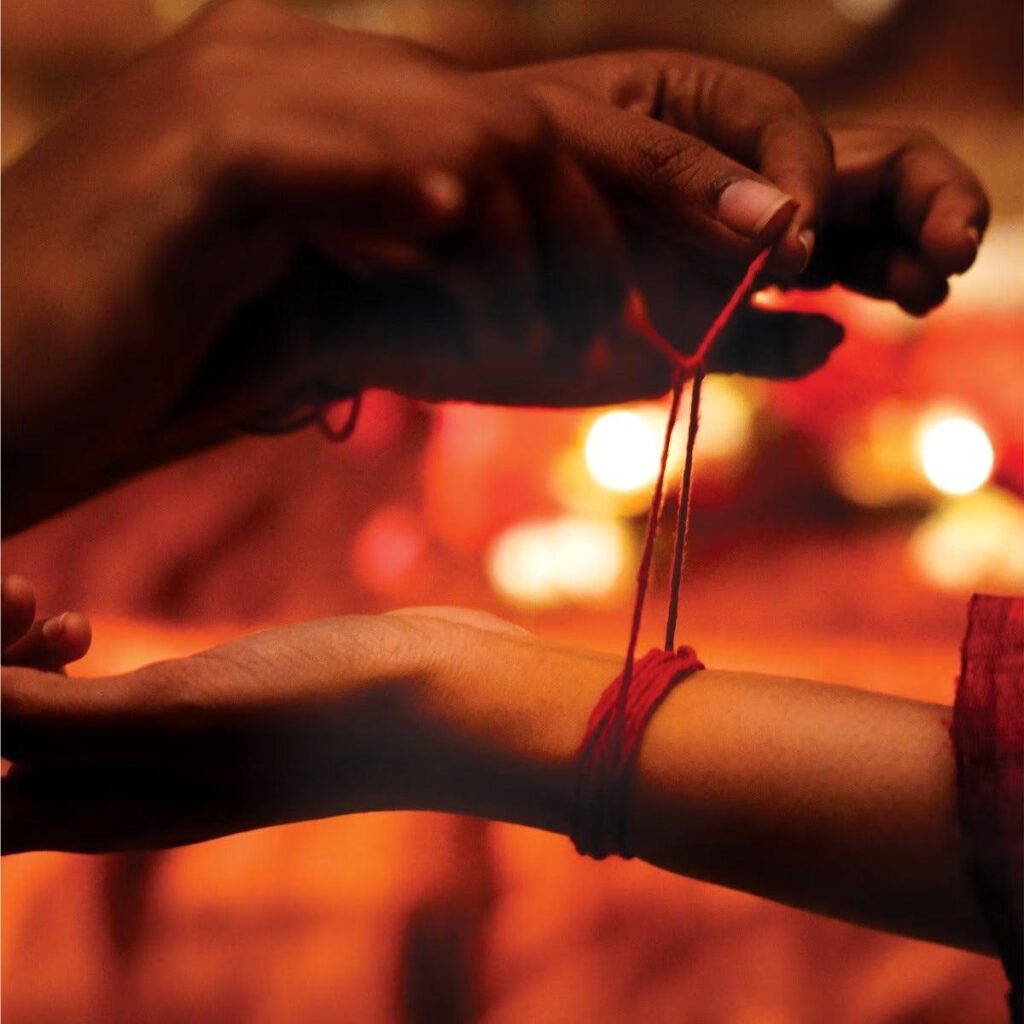
Kalawa is tied during various Hindu rituals such as:
- Puja ceremonies
- Yajnas and havans
- Festivals like Raksha Bandhan and Navratri
Rules:
- Men usually wear it on the right wrist
- Women wear it on the left wrist
- It should be tied with proper mantras for full benefit
🧿 Symbol of Protection & Positivity
Kalawa acts as a spiritual armor:
- Protects from evil eye (nazar)
- Attracts positive vibrations
- Creates a sense of divine connection and safety
It is often believed that as long as the thread remains intact, divine protection surrounds the wearer.
🪶 Mythological Beliefs
According to Hindu mythology:
- Goddess Lakshmi tied Kalawa to King Bali for protection
- During ancient yajnas, sages tied Kalawa as a symbol of sacred commitment
These stories emphasize its role as a bond of protection and spiritual responsibility.
🌼 Conclusion
Kalawa is much more than a simple thread—it is a sacred symbol of faith, protection, and spiritual awareness. Whether viewed through a religious or psychological lens, its presence in Hindu rituals continues to hold immense value even today.
Wearing Kalawa connects us with tradition, reminds us of our spiritual duties, and protects us from negativity.
❓ FAQs
1. Can anyone wear Kalawa?
Yes, anyone can wear it regardless of age or gender, as it symbolizes protection and positivity.
2. How long should Kalawa be worn?
It can be worn until it naturally falls off or is removed respectfully.
3. Can we remove Kalawa?
Yes, but it should be removed respectfully and ideally immersed in flowing water or placed under a sacred tree.
4. Is Kalawa only for Hindus?
While rooted in Hindu tradition, many people wear it for its spiritual and cultural significance.