
As the vibrant festival of Holi approaches, many people begin hearing about an important astrological period called Holashtak. While Holi is associated with celebration, colors, and joy, the eight days before it are traditionally considered sensitive and inauspicious in Vedic astrology.
But why are these eight days viewed this way? Is it pure belief, or is there deeper astrological reasoning behind it? Let’s explore everything about Holashtak 2026 in a clear and practical way.
What Is Holashtak?
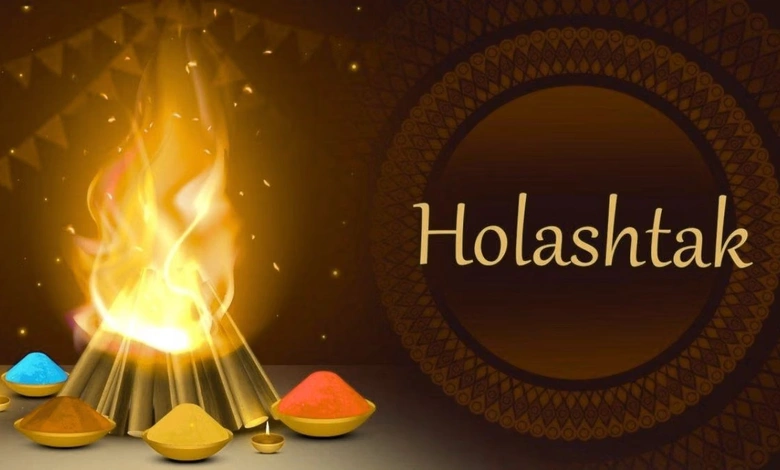
Holashtak refers to the eight-day period that begins on the Ashtami (8th day) of Shukla Paksha in the Hindu month of Phalguna and ends on Holika Dahan, the night before Holi.
In simple terms, these are the final eight days before Holi. According to traditional beliefs, this period is astrologically unstable and therefore not considered suitable for major life decisions.
Why Are These 8 Days Considered Inauspicious?
The belief behind Holashtak comes from planetary positions. In Vedic astrology, it is said that during these eight days, certain planets are believed to be in intense or aggressive positions. This planetary turbulence is thought to create energetic instability.
Because of this, auspicious ceremonies such as:
Marriage
Housewarming
Naming ceremonies
Starting a new business
Engagement rituals
are traditionally avoided.
However, it’s important to understand that Holashtak is not considered “evil.” It is seen as a time of heightened spiritual intensity rather than material beginnings.
The Mythological Story Behind Holashtak
Holashtak is also linked to the story of Prahlad and Holika. According to Hindu mythology, the demon king Hiranyakashipu tried to kill his devotee son Prahlad for worshipping Lord Vishnu. Holika, the king’s sister, sat in fire with Prahlad, believing she was immune to flames.
However, due to divine protection, Prahlad survived and Holika was burned. This event symbolizes the victory of faith over ego and negativity. The eight days before Holi are believed to represent the period of Prahlad’s suffering and spiritual testing.
Thus, Holashtak is seen as a time of spiritual purification rather than celebration.
What Should Be Avoided During Holashtak?
While daily life continues normally, traditionally people avoid:
Fixing marriage dates
Conducting engagement ceremonies
Performing major housewarming rituals
Launching new ventures
Buying property
The idea is not fear — but caution. Astrologically, it is believed that decisions made during unstable planetary periods may not bring long-term harmony.
However, emergency or necessary work is never restricted.
Can Marriage Be Performed During Holashtak?
One of the most common questions is:
Can you get married during Holashtak?
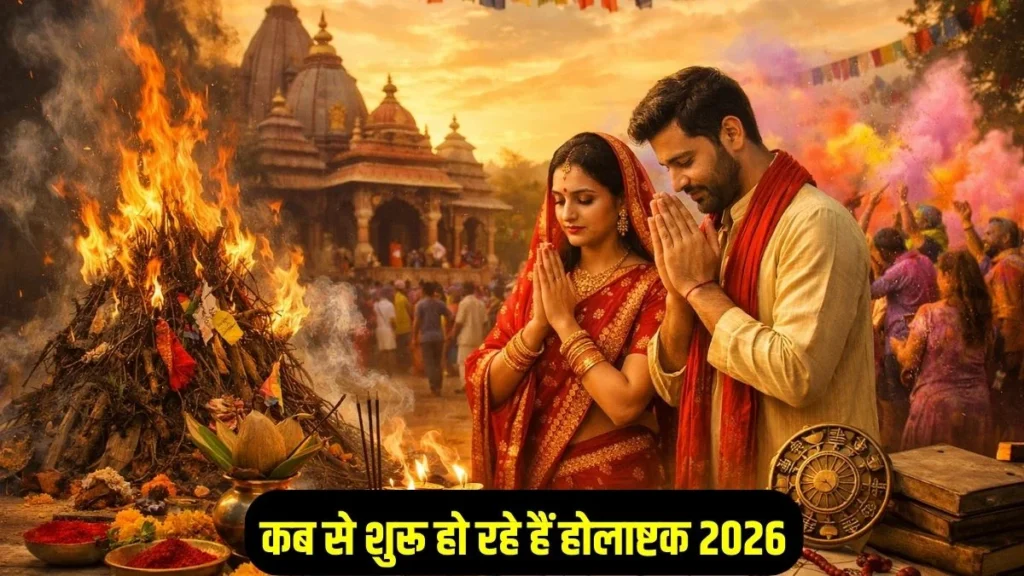
Traditionally, marriages are avoided during these eight days. Hindu priests generally do not provide auspicious muhurats during Holashtak.
However, in modern times, some families proceed based on personal beliefs, availability, or practical reasons. Astrology always depends on the individual birth chart (Kundli), so personalized guidance matters more than general rules.
Is Holashtak Scientifically Proven?
From a scientific perspective, Holashtak does not have measurable astronomical disturbance. It is based on traditional astrological interpretations and cultural practices.
But psychologically, such periods create collective belief and mindfulness. When society pauses major events, it indirectly encourages reflection, patience, and spiritual focus.
So even if not scientifically validated, Holashtak holds strong cultural and spiritual value.
Spiritual Significance of Holashtak
.
Instead of seeing Holashtak as negative, many spiritual teachers view it as:
A time for self-reflection
Increased devotion and prayer
Chanting mantras
Fasting or light eating
Charity and kindness
It is believed that spiritual practices done during these days bring stronger karmic cleansing and blessings
Astrological Remedies During Holashtak
If you feel anxious about this period, here are simple remedies:
Chant Vishnu or Shiva mantras daily
Light a diya in the evening
Read spiritual texts
Donate food or clothes
Avoid unnecessary conflicts
These small actions shift the focus from fear to faith.
Holashtak 2026: Should You Be Worried?
The answer is simple — no.
Holashtak is not about fear. It is about awareness.
Think of it as a cosmic pause before celebration. Just like nature transitions from winter to spring, these eight days symbolize emotional cleansing before the joyful explosion of colors on Holi.
Life decisions should always be made with clarity and personal astrological consultation rather than general panic.
Final Thoughts
Holashtak 2026 reminds us that not every pause is negative. Sometimes, spiritual traditions create space for reflection before celebration. The eight days are considered inauspicious mainly for starting new ventures, but they are highly auspicious for devotion, self-discipline, and inner growth.
Instead of fearing Holashtak, use it wisely — slow down, reflect, and prepare yourself for the vibrant new beginnings that Holi symbolizes.
Frequently Asked Questions (FAQs)
1. How many days does Holashtak last?
Holashtak lasts for eight days before Holi.
2. Is Holashtak bad for everyone?
No. It is a general traditional belief. Individual horoscope matters more.
3. Can travel be done during Holashtak?
Yes, daily activities including travel are allowed.
4. Are business transactions allowed?
Routine work is fine, but new ventures are traditionally avoided.