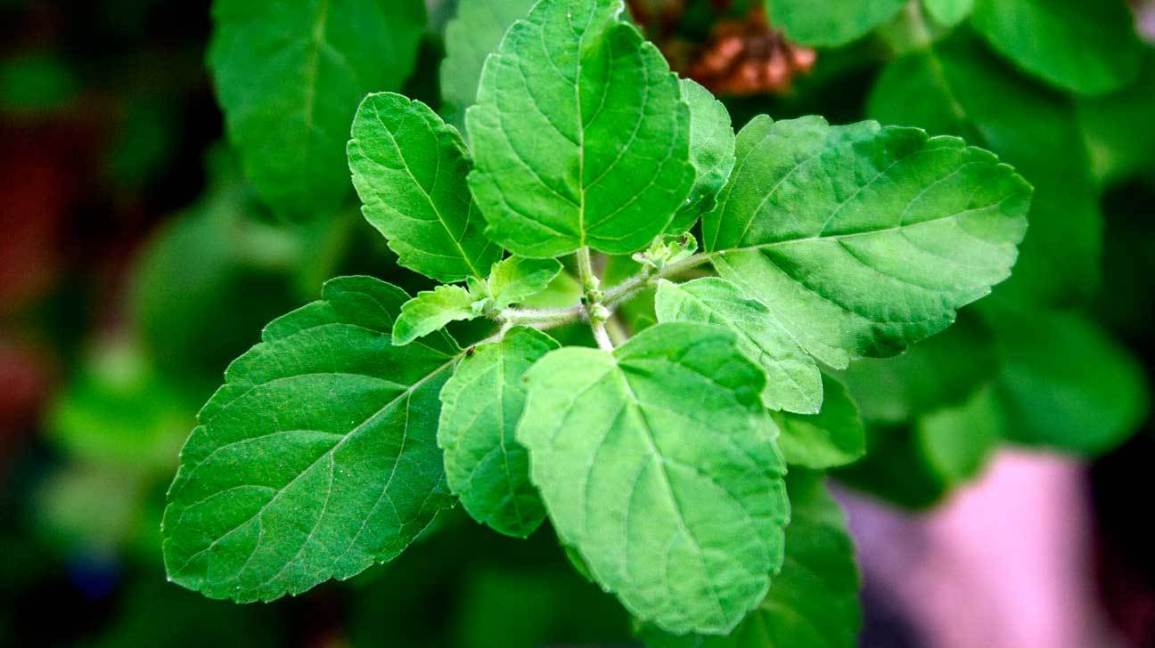
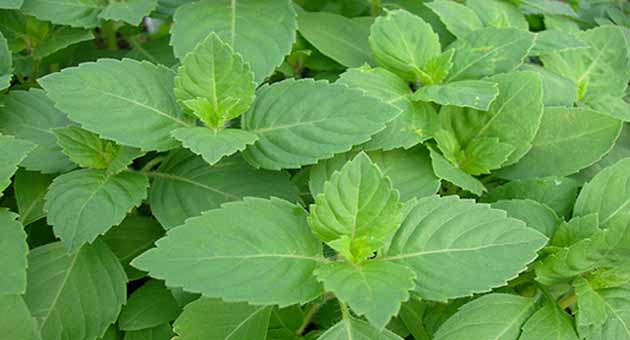
Do You Also Pluck Tulsi Leaves Anytime? Think Again…
You’ve probably done it countless times—walking past a Tulsi plant, casually plucking a few leaves without a second thought. It feels harmless, right?
But what if we told you… there’s a deeper science, energy, and even a spiritual rhythm behind when you should—or shouldn’t—pluck Tulsi leaves?
Let’s explore this sacred plant in a way you’ve never thought about before.
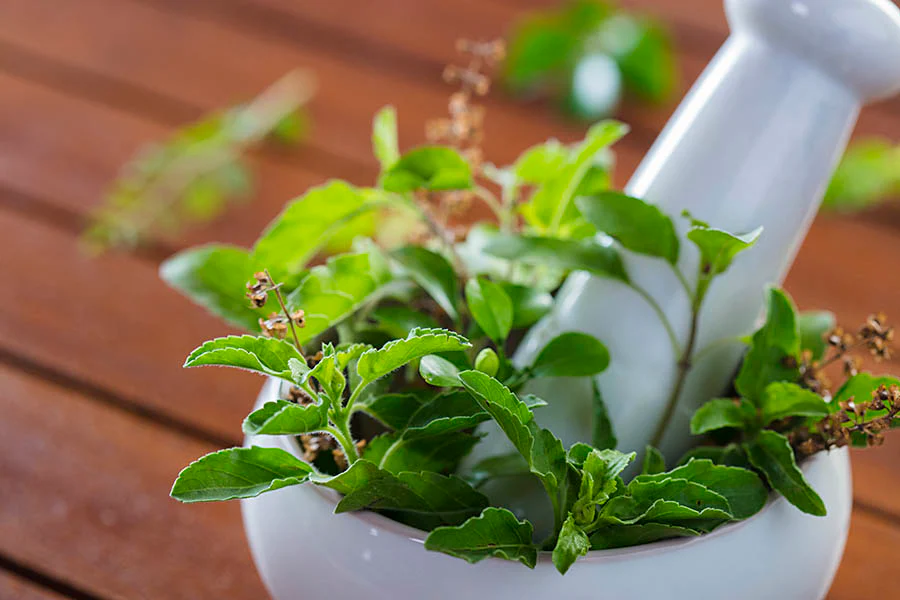
🌱 What Makes Tulsi So Special?
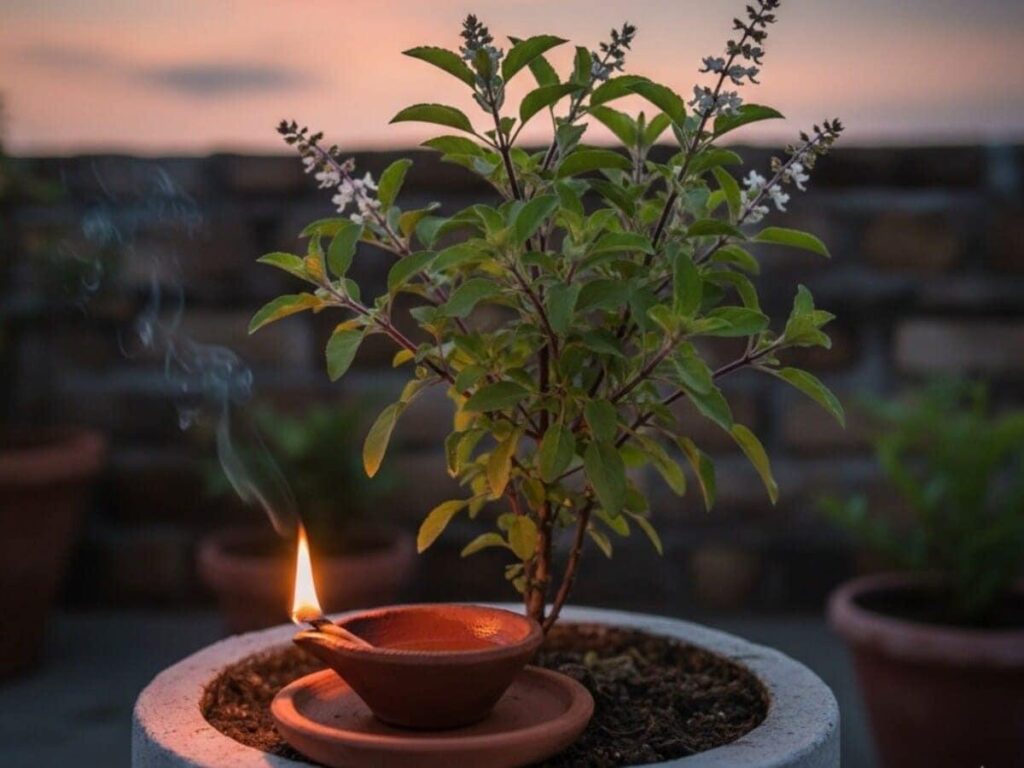
Tulsi (Holy Basil) is not just a plant—it’s considered a living goddess in many Indian households. Beyond its spiritual importance, it is also a powerhouse of health benefits.
✨ Why Tulsi is revered:
- Rich in antioxidants and immunity-boosting properties
- Helps reduce stress and improve breathing
- Purifies air and creates a calming environment
- Plays a central role in daily rituals and Vastu
But here’s where things get interesting…
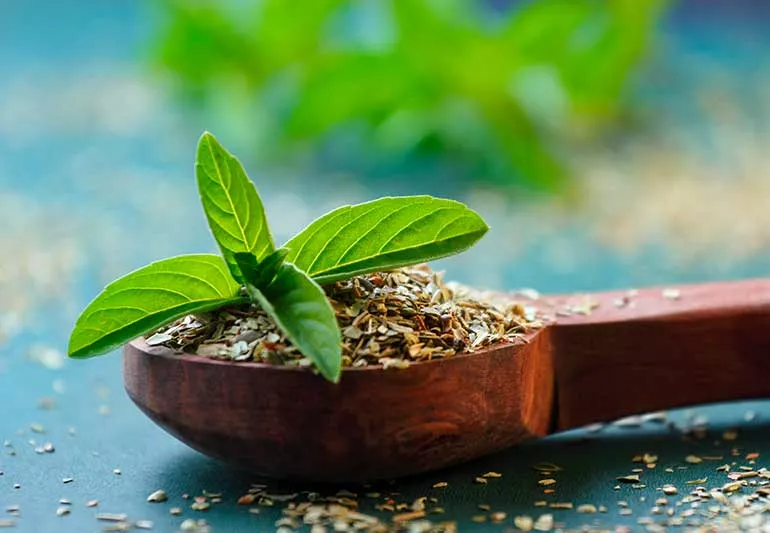
❗ The Hidden Rule: You Should NOT Pluck Tulsi Anytime
Most people don’t realize this, but according to traditional beliefs and even Ayurvedic principles:
👉 Plucking Tulsi leaves at the wrong time can reduce its energy and benefits.
🚫 Avoid plucking Tulsi during:
- Evenings and night
- Sundays
- Ekadashi (in some traditions)
- During or after sunset
🌞 Best time to pluck:
- Early morning, after sunrise
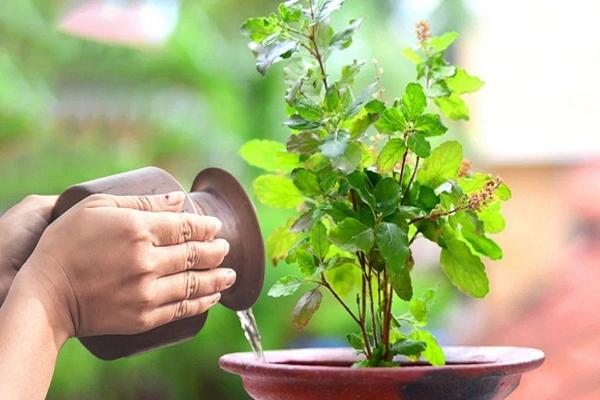
- After offering water and prayer to the plant
- After taking bath
- Wearing washed clothes
🔮 But Why Does Timing Matter?
This isn’t just superstition—it’s deeply symbolic and practical.
🌿 1. Energy Cycle of the Plant
Plants follow a natural rhythm. During the day, Tulsi is energetically active and vibrant, making it ideal for use.
🌙 2. Night is Rest Time
Just like humans, plants “rest” at night. Plucking leaves then is believed to disturb its natural cycle.
🧘 3. Spiritual Belief
Tulsi is associated with purity and devotion. Plucking without respect or at the wrong time is seen as disrupting sacred energy.
🌼 The Right Way to Pluck Tulsi Leaves
If you truly want to benefit from Tulsi, follow this mindful approach:
🙏 Steps to follow:
- Wash your hands before touching the plant
- Offer water or say a small prayer
- Pluck leaves gently—never with nails
- Avoid taking too many leaves at once
💡 A Curious Thought…
Next time you reach out to pluck Tulsi leaves, pause for a moment and ask yourself:
👉 “Am I doing this mindfully… or just out of habit?”
Because sometimes, the smallest actions carry the deepest energies.
🌿 Final Thoughts
Tulsi isn’t just a plant sitting quietly in your home—it’s a symbol of balance, discipline, and respect for nature’s rhythm.
Being mindful about when and how you pluck its leaves can:
- Enhance its benefits
- Deepen your spiritual connection
- Bring a subtle sense of peace into your routine
❓ Frequently Asked Questions (FAQs) About Tulsi Leaves
1. Can we pluck Tulsi leaves at night?
No, it is generally advised not to pluck Tulsi leaves at night. According to traditional beliefs, the plant rests during this time, and plucking leaves may disturb its natural energy cycle.
2. What is the best time to pluck Tulsi leaves?
The ideal time to pluck Tulsi leaves is early morning after sunrise, preferably after offering water or prayers to the plant.
3. Why is Tulsi not plucked on Sundays?
In many traditions, Sundays are considered a day of rest for the Tulsi plant. It is believed that plucking leaves on this day may reduce its spiritual benefits.
4. Can we use fallen Tulsi leaves?
Yes, fallen Tulsi leaves can be used, especially for medicinal purposes. However, they are usually avoided in religious offerings.
5. Is it okay to pluck Tulsi leaves without पूजा (prayer)?
While not mandatory, it is recommended to show respect by offering a small prayer or gratitude before plucking Tulsi leaves.
6. How many Tulsi leaves should we pluck at once?
Always pluck only the amount you need. Avoid over-harvesting as it can harm the plant and reduce its growth.