

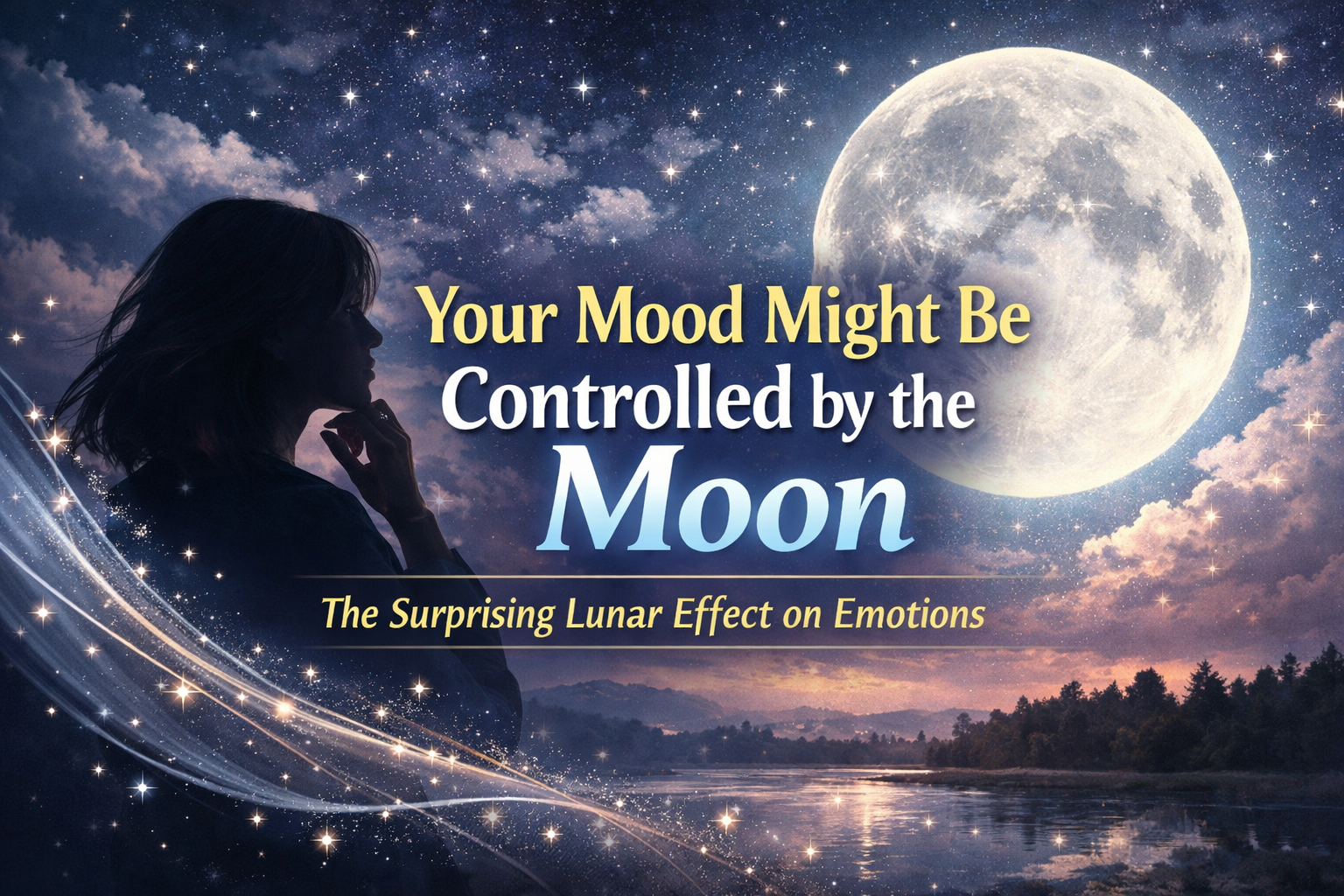
Your Mood Might Be Controlled by the Moon: The Surprising Lunar Effect on Emotions
Moon Phase Might Affect Your Mood
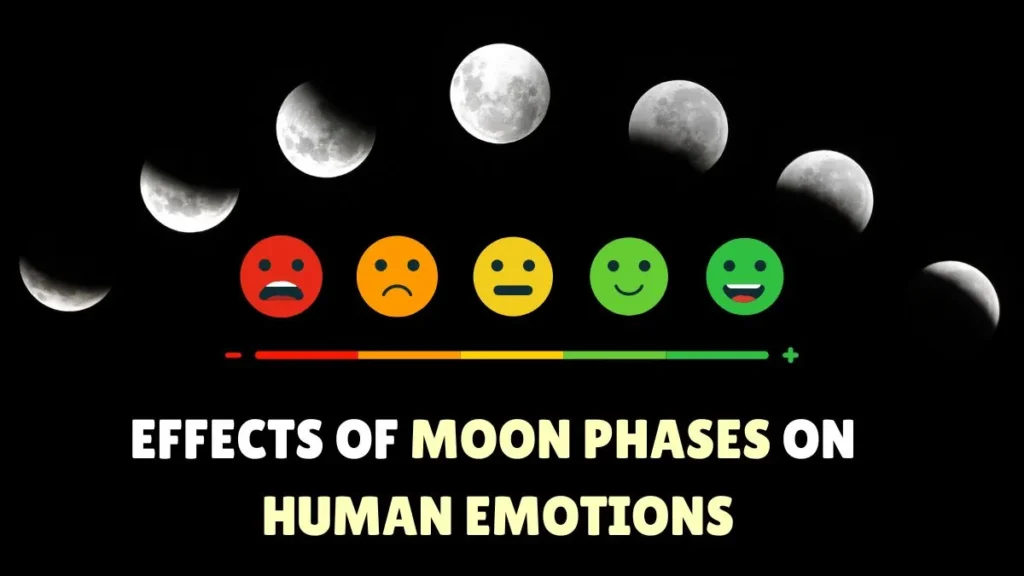
Can the moon influence your emotions? Discover how lunar cycles may affect mood, sleep, and human behavior in this SEO-optimized blog about the moon and mental well-being.
Your Mood Might Be Controlled by the Moon: Understanding the Lunar Effect on Emotions
For centuries, people have believed that the moon has a mysterious influence on human emotions and behavior. From ancient folklore to modern discussions about mental wellness, the idea that the moon affects mood continues to fascinate many. Today, researchers and spiritual thinkers alike are exploring the connection between lunar cycles and emotional well-being. Could it be possible that your mood is partly controlled by the moon?
The Historical Belief in the Moon’s Emotional Influence
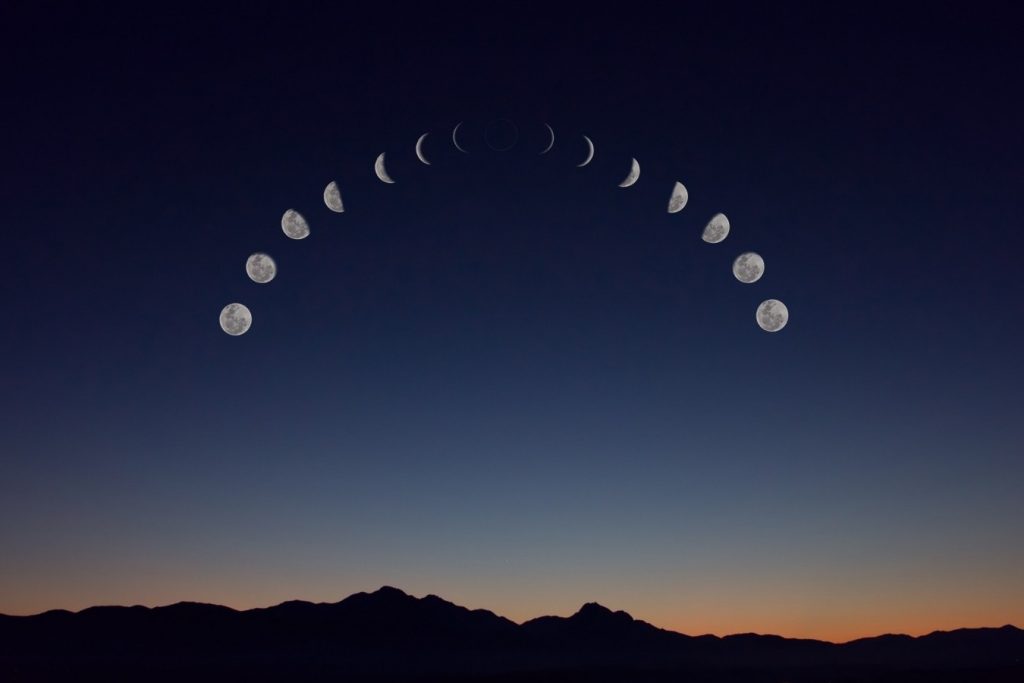
The relationship between the moon and human emotions dates back thousands of years. In many cultures, the moon was seen as a powerful celestial body capable of influencing nature and human behavior. The word “lunatic,” for example, comes from the Latin word luna, meaning moon, reflecting the long-held belief that the lunar cycle could impact mental states.
Traditional astrology and spiritual practices often suggest that the moon governs emotions, intuition, and inner feelings. Many people report experiencing mood swings, heightened emotions, or restlessness during a full moon.
How Lunar Cycles May Affect Human Mood
The moon moves through different phases every month, including the new moon, waxing moon, full moon, and waning moon. These phases are believed by some to influence emotional energy.
During the full moon, people often report feeling more energetic, emotional, or restless. Some believe this is because the full moon represents a peak of energy, which can amplify feelings and reactions. On the other hand, the new moon is associated with reflection, calmness, and new beginnings, which may encourage introspection.
Although scientific evidence is still debated, several studies suggest that lunar cycles may slightly affect sleep patterns. Poor sleep during certain lunar phases can indirectly influence mood, irritability, and emotional balance.
The Connection Between the Moon and Sleep
One possible explanation for the moon’s effect on mood is its relationship with sleep. Research has suggested that during the full moon, some people may experience shorter or lighter sleep cycles. Since sleep plays a crucial role in emotional regulation, even small changes in sleep quality can affect how we feel the next day.
Reduced sleep can lead to increased stress, mood swings, and lower emotional resilience. Therefore, if the lunar cycle influences sleep patterns, it could indirectly affect mood and behavior.
Psychological and Spiritual Perspectives
Beyond science, many spiritual traditions believe the moon has a deep connection with human consciousness. Practices such as meditation, journaling, and manifestation rituals are often aligned with lunar phases.
For example, the full moon is commonly associated with emotional release and letting go of negativity, while the new moon symbolizes setting intentions and starting fresh. People who follow these practices believe the moon’s energy can heighten emotional awareness and inner reflection.
Why Some People Feel the Lunar Effect More Strongly
Not everyone experiences noticeable mood changes during lunar cycles. However, individuals who are sensitive to environmental or emotional shifts may feel the effects more strongly. People who already struggle with sleep disturbances or emotional stress might also be more likely to notice changes during a full moon.
Psychologists suggest that expectations and beliefs may also play a role. If someone believes the moon affects their mood, they may become more aware of emotional changes during certain lunar phases.
How to Stay Emotionally Balanced During Lunar Phases
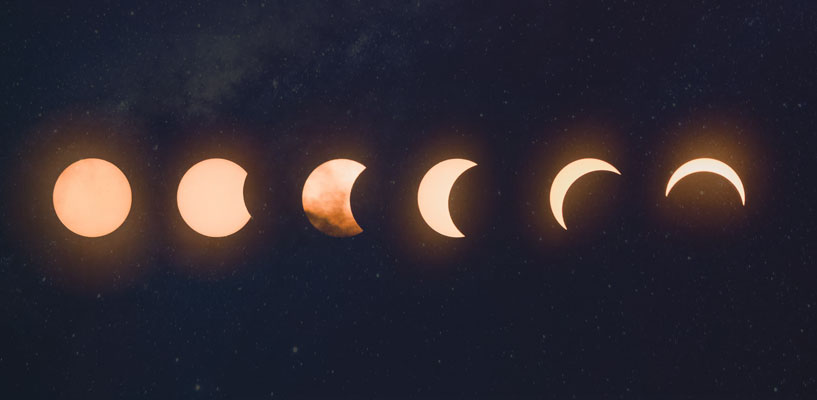
If you notice mood fluctuations during certain times of the month, there are several simple ways to stay emotionally balanced. Maintaining a consistent sleep schedule, practicing mindfulness, and spending time in nature can help stabilize mood.
Activities such as meditation, journaling, and relaxation exercises can also help manage emotional intensity. These practices allow individuals to observe their feelings without becoming overwhelmed by them.
Final Thoughts
While science has not fully confirmed that the moon directly controls human emotions, the connection between lunar cycles, sleep, and mood remains an intriguing topic. Whether through subtle biological rhythms or psychological awareness, many people feel a unique relationship with the moon.
Understanding how natural cycles influence our bodies and minds can encourage us to pay closer attention to our emotional well-being. Whether symbolic or scientific, the moon continues to inspire curiosity about the hidden forces shaping human mood.
FAQ: Moon and Mood
1. Can the moon really affect human mood?
Some studies suggest that lunar cycles may influence sleep patterns, which can indirectly affect mood. However, scientific evidence is still inconclusive.
2. Why do people feel emotional during a full moon?
Many believe the full moon amplifies emotional energy. Poor sleep during this phase may also contribute to mood changes.
3. Does the moon affect mental health?
There is no strong scientific proof that the moon directly causes mental health changes, but some individuals report emotional shifts during certain lunar phases.