




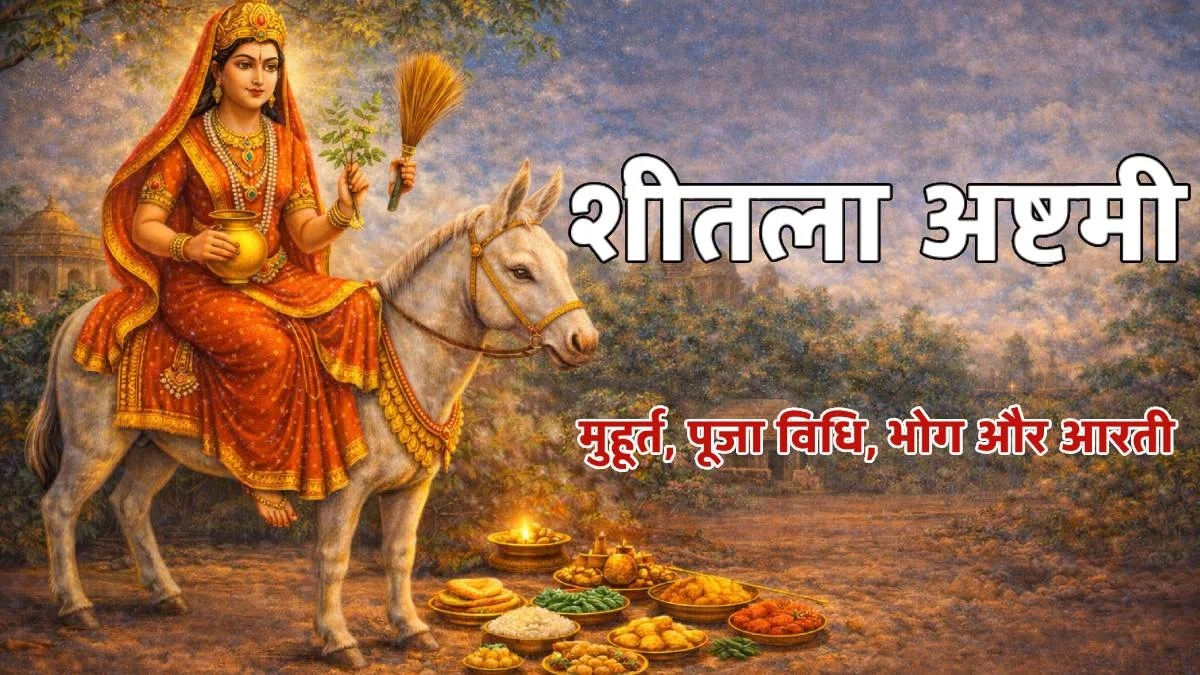
Sheetala Ashtami 2026: Significance, Rituals, and Spiritual Benefits of the Sacred Fast
Sheetala Ashtami 2026
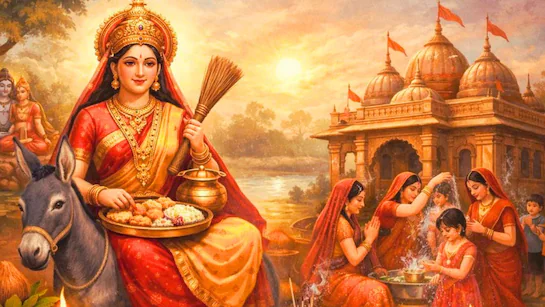
Sheetala Ashtami 2026: Significance, Rituals, and Spiritual Benefits of the Sacred Fast
Every year, devotees across India observe Sheetala Ashtami, a sacred Hindu festival dedicated to Goddess Sheetala, the goddess believed to protect people from diseases and bring good health. In 2026, Sheetala Ashtami was observed today with great devotion in many parts of the country. Devotees perform special prayers, follow traditional rituals, and observe fasting to seek the blessings of the goddess for health, prosperity, and protection from illnesses.
This ancient festival holds deep spiritual and cultural significance, especially in northern and eastern parts of India, where families come together to honor Goddess Sheetala and follow unique customs associated with the day.
The Spiritual Significance of Sheetala Ashtami
Sheetala Ashtami is observed on the eighth day (Ashtami) of the Krishna Paksha in the month of Chaitra, according to the Hindu lunar calendar. The word “Sheetala” means coolness, symbolizing the goddess’s power to calm diseases and suffering.
According to Hindu beliefs, Goddess Sheetala is the divine protector against contagious diseases such as smallpox, measles, and infections. In ancient times, when medical facilities were limited, people prayed to the goddess for protection and healing. Even today, devotees believe that worshipping her brings good health, protection from illnesses, and overall well-being.
This festival also teaches an important spiritual message: maintaining cleanliness, purity, and balance in life helps prevent diseases and promotes wellness.
Unique Rituals of Sheetala Ashtami
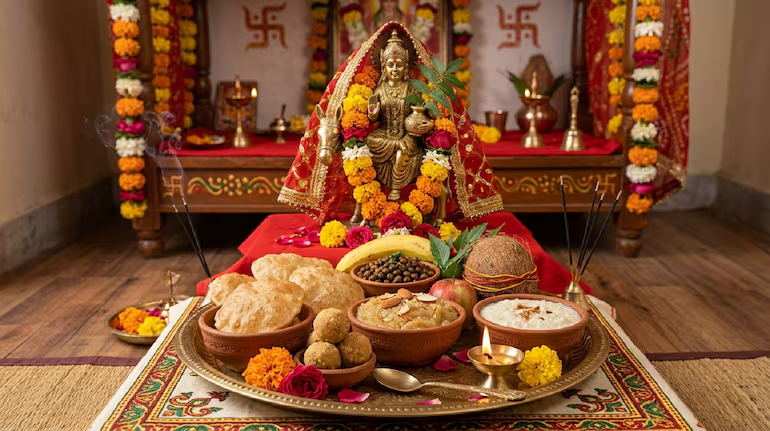
One of the most distinctive traditions of Sheetala Ashtami is that devotees do not cook fresh food on this day. Instead, they prepare meals a day before and consume “stale” or cooled food, known as Basoda. This ritual symbolizes honoring the cooling nature of the goddess.
Common foods prepared for Sheetala Ashtami include:
Puri
Sweet rice
Halwa
Rabri
Gram or chana dishes
On the day of Sheetala Ashtami, devotees wake up early, take a holy bath, and visit temples dedicated to Goddess Sheetala. They offer flowers, turmeric, neem leaves, and cold food to the goddess as part of the worship rituals.
Neem leaves hold special importance in this festival because they are believed to have natural healing and antibacterial properties, symbolizing protection from diseases.
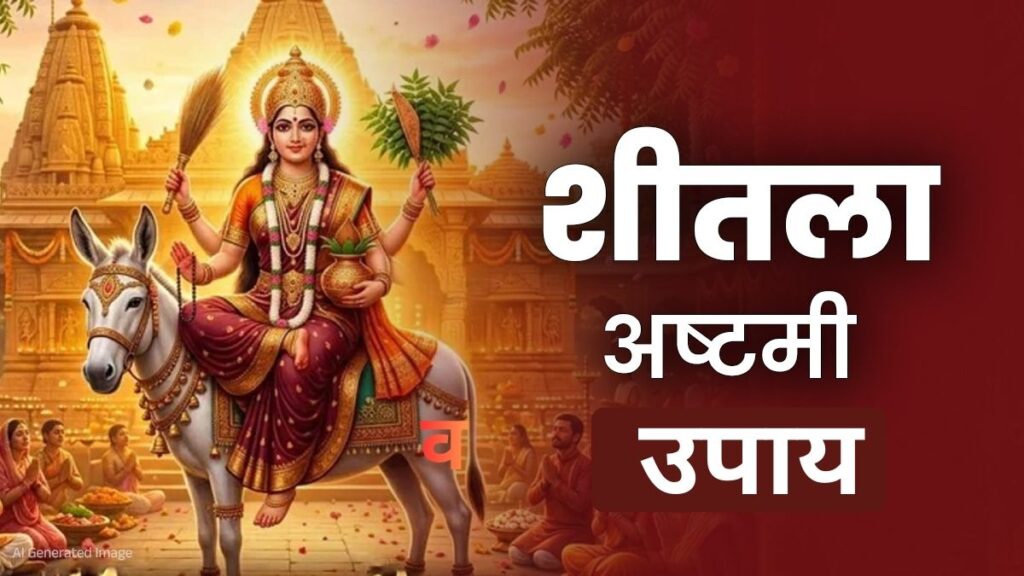
Importance of Sheetala Mata Temple Worship
Many devotees visit temples dedicated to Goddess Sheetala to perform prayers and offer bhog. These temples witness large gatherings during the festival as people come together to seek divine blessings.
Worshipping at a Sheetala Mata temple on this day is believed to bring:
Protection from illnesses
Health and well-being for the family
Relief from negative energies
Peace and prosperity in life
Devotees often light lamps, chant prayers, and perform special Sheetala Mata aarti to honor the goddess.
Cultural and Regional Celebrations
Sheetala Ashtami is celebrated with great enthusiasm in states like Rajasthan, Gujarat, Uttar Pradesh, and Bihar. The festival may be observed on different days depending on regional traditions, but the devotion and rituals remain similar.
In many households, women especially observe the fast and pray for the health and safety of their families. The festival is also seen as a reminder of traditional Indian practices that emphasize hygiene, natural healing, and spiritual faith.
Spiritual Benefits of Observing the Sheetala Ashtami Fast
Observing the Sheetala Ashtami fast is believed to provide several spiritual and emotional benefits. Devotees believe that worshipping Goddess Sheetala helps remove past karmic obstacles and brings balance to life.
Some commonly believed benefits include:
Protection from diseases and infections
Blessings for good health and longevity
Peace of mind and emotional stability
Prosperity and happiness in the household
The festival also encourages devotees to practice discipline, devotion, and gratitude, which are essential aspects of spiritual growth.
The Deeper Message Behind the Festival
Beyond rituals and traditions, Sheetala Ashtami carries a deeper message about health awareness and respect for nature. The use of neem leaves, the avoidance of cooking, and the focus on cleanliness reflect ancient wisdom about disease prevention.
In modern times, the festival reminds us to maintain personal hygiene, balanced lifestyles, and spiritual faith, which together contribute to overall wellness.
FAQ: Sheetala Ashtami
1. What is Sheetala Ashtami?
Sheetala Ashtami is a Hindu festival dedicated to Goddess Sheetala, believed to protect people from diseases and bring health and prosperity.
2. Why do people eat stale food on Sheetala Ashtami?
Devotees eat food prepared the previous day as part of the Basoda tradition, symbolizing the cooling nature of Goddess Sheetala and respecting the ritual of not lighting the stove on the festival day.
3. When is Sheetala Ashtami celebrated?
Sheetala Ashtami is observed on the eighth day of Krishna Paksha in the Chaitra month according to the Hindu lunar calendar.