
Apara Ekadashi 2026: The Sacred Day of Forgiveness, Devotion & Spiritual Growth
Apara Ekadashi 2026, Apara Ekadashi significance, Apara Ekadashi vrat katha, Apara Ekadashi puja vidhi, Apara Ekadashi fasting rules, Ekadashi vrat benefits, Lord Vishnu fasting day, Hindu fasting festival, Apara Ekadashi date, spiritual benefits of Ekadashi
In Hindu tradition, every Ekadashi carries spiritual importance, but Apara Ekadashi is often seen as one of the most powerful for inner cleansing and seeking forgiveness. Dedicated to Lord Vishnu, this sacred vrat is observed with devotion, fasting, prayers, and self-discipline.
For many devotees, Apara Ekadashi is not just about avoiding food for a day. It is about slowing down, letting go of negativity, and reconnecting with faith in a peaceful and meaningful way.
The word “Apara” means limitless, symbolizing the boundless blessings and spiritual merit believed to come from observing this Ekadashi sincerely.
What Makes Apara Ekadashi So Special?
Life can often become busy and mentally exhausting. Festivals like Apara Ekadashi create a moment to pause and focus on spiritual well-being instead of everyday stress.
According to Hindu beliefs, observing this vrat with honesty and devotion may help devotees:
- Find mental peace
- Release negative thoughts
- Strengthen spiritual discipline
- Feel closer to divine energy
- Seek forgiveness for past mistakes .
- Many people also believe that prayers offered on this day bring positivity, prosperity, and emotional balance.
The Story Behind Apara Ekadashi
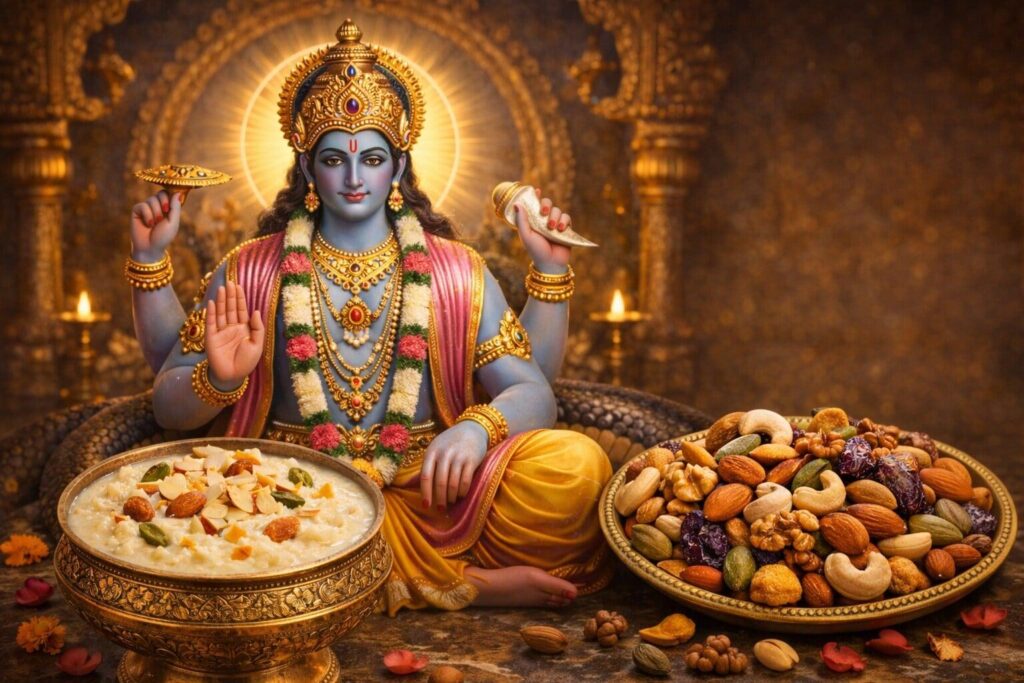
The significance of Apara Ekadashi is mentioned in ancient Hindu scriptures. The vrat katha was narrated by Lord Krishna to Yudhishthira in the Mahabharata.
The story highlights an important message — no matter how difficult life becomes or how many mistakes someone may have made, sincere devotion and positive actions can always guide a person toward a better path.
This is one reason why many devotees see Apara Ekadashi as a day of spiritual renewal rather than just a traditional ritual.
Apara Ekadashi Puja Vidhi
Different families follow different traditions, but the overall spirit of the vrat remains the same — devotion and purity.
1. Begin the Day Early
Devotees usually wake up before sunrise and take a bath before starting prayers.
2. Worship Lord Vishnu
An idol or image of Lord Vishnu is decorated with flowers, tulsi leaves, incense sticks, and lamps.
3. Observe the Fast
Some devotees keep a strict fast without grains, while others eat fruits, milk, or vrat-friendly foods depending on their health and customs.
4. Chant Vishnu Mantras
One of the most commonly chanted mantras is:
“Om Namo Bhagavate Vasudevaya”
5. Read the Vrat Katha
Listening to or reading the Apara Ekadashi story is considered an important part of the observance.
6. Practice Kindness & Charity
Helping someone in need, donating food, or simply spreading positivity is also encouraged on this sacred day.
What Foods Are Usually Eaten During the Fast?
People observing the vrat generally avoid grains and regular meals. Instead, they prefer simple sattvic foods like:
- Fruits
- Milk and curd
- Sabudana khichdi
- Dry fruits and nuts
- Coconut water
- Kuttu or singhara flour dishes
The idea behind fasting is not punishment — it is about simplicity, discipline, and mindful living.
Spiritual Benefits of Apara Ekadashi
Many devotees feel that observing Ekadashi regularly brings emotional calmness and spiritual clarity. While every person experiences it differently, the vrat is commonly associated with:
- Positive energy
- Better focus during prayer and meditation
- Emotional balance
- Spiritual growth
- A sense of inner peace
In modern life, where people are constantly surrounded by distractions, even one day of mindful fasting and prayer can feel deeply refreshing.
Why Apara Ekadashi Still Holds Meaning Today
Even in today’s digital and fast-moving world, traditions like Apara Ekadashi continue to connect people with faith, discipline, and family values.
For some, it is a deeply spiritual practice. For others, it is a way to spend time in prayer, gratitude, and self-reflection. Regardless of how it is observed, the heart of Apara Ekadashi lies in becoming more peaceful, compassionate, and spiritually aware.
Conclusion
Apara Ekadashi is more than a fasting ritual — it is a reminder to cleanse the mind, reconnect with positivity, and strengthen faith. Dedicated to Lord Vishnu, this sacred day inspires devotees to embrace devotion, kindness, and inner growth.
Whether you observe the vrat traditionally or simply spend the day in prayer and reflection, Apara Ekadashi offers a beautiful opportunity to slow down and reconnect with yourself spiritually.
Frequently Asked Questions (FAQs)
When is Apara Ekadashi celebrated?
Apara Ekadashi is observed during the Krishna Paksha of the Jyeshtha month in the Hindu calendar.
Which deity is worshipped on Apara Ekadashi?
Devotees worship Lord Vishnu on this sacred day.
Can we drink water during Apara Ekadashi fast?
Yes, many people follow a simple fruit and water fast, although fasting methods can vary based on personal beliefs and health.
Why is Apara Ekadashi important?
It is believed to help devotees seek spiritual purification, peace, and divine blessings.
What should be avoided during Ekadashi?
Most devotees avoid grains, negative thoughts, arguments, and non-vegetarian food while observing the vrat.